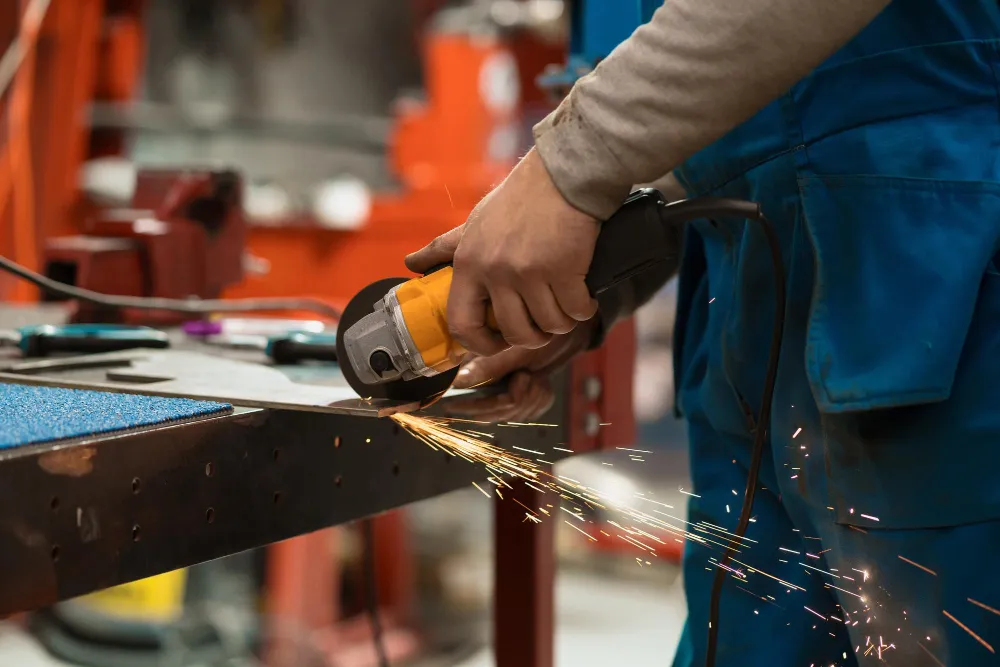
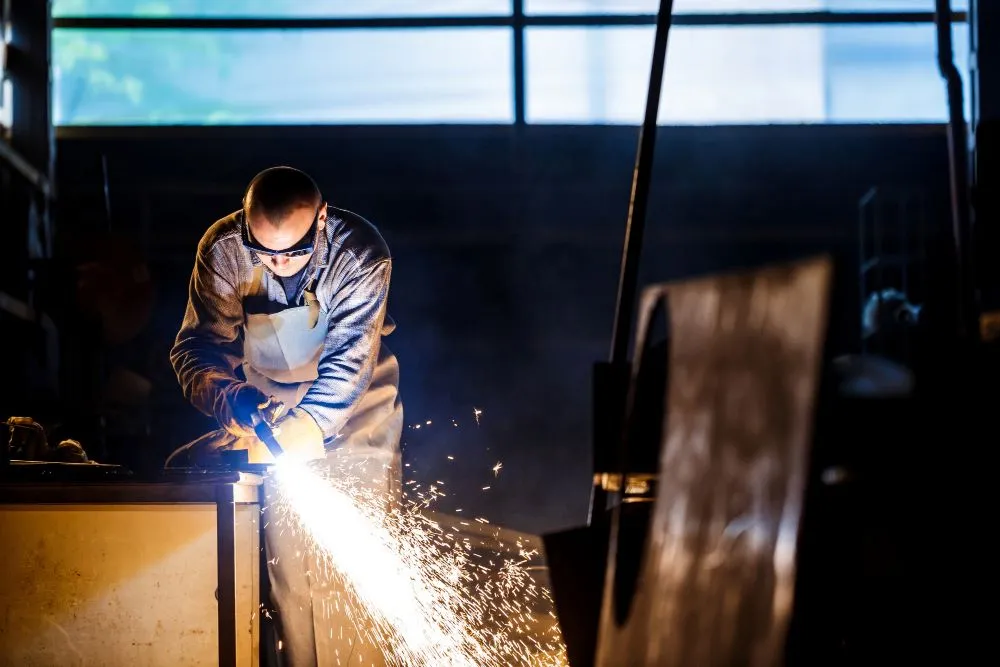
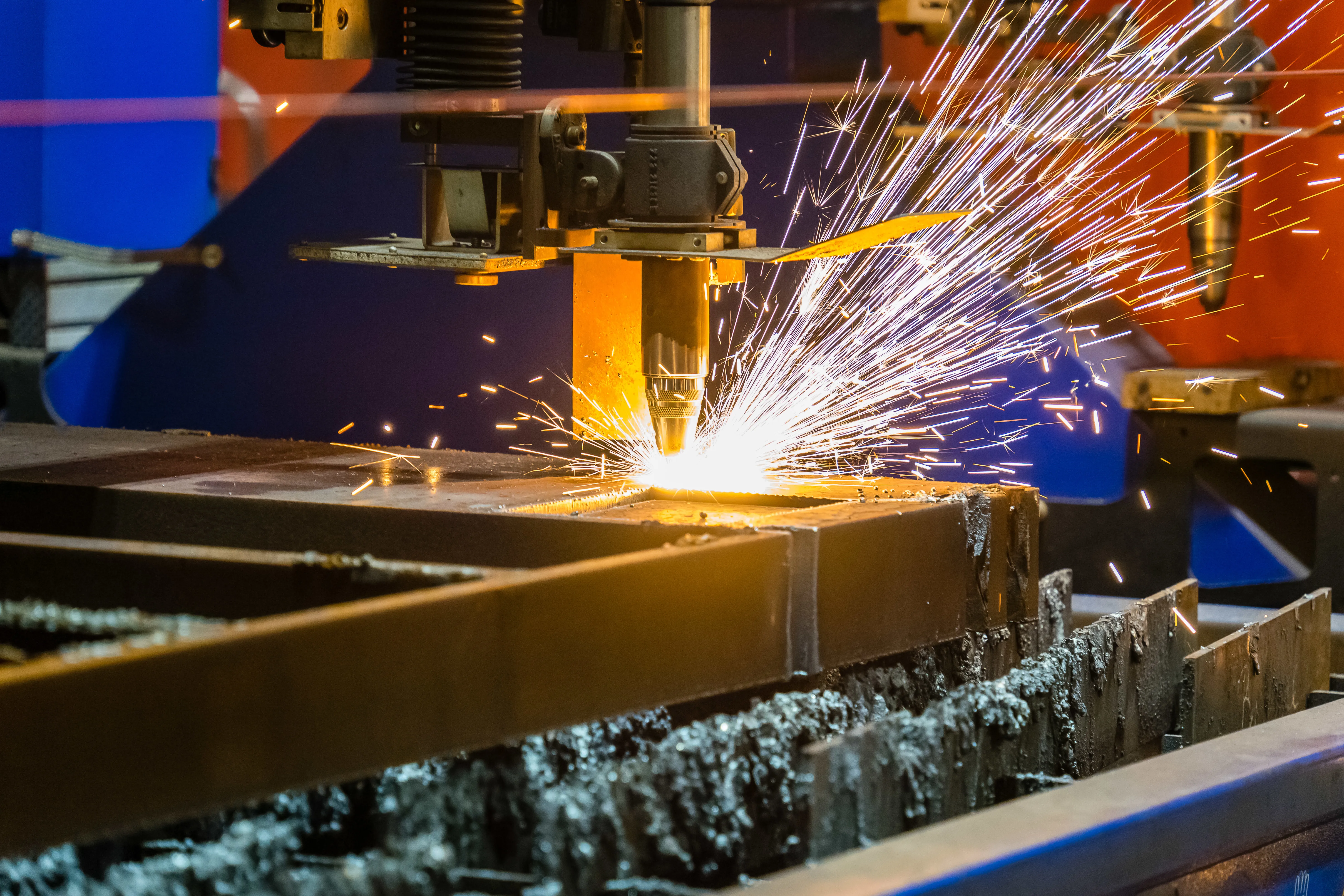
In the metal processing industry
09.02.2025
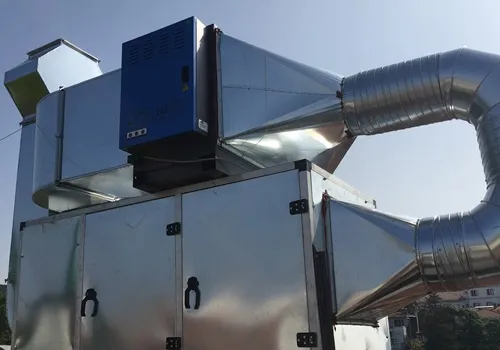
Filter Systems: Vital Solutions for Clean Air and Efficient Industry
Today, the importance of air quality is increasing more than ever. Especially in industrial facilities and city centers, air pollution is a serious problem. This is where filter systems play a vital role both in protecting our health and in increasing the efficiency of industrial processes.
Filter systems are generally systems used to separate unwanted particles, pollutants or substances from a fluid (air, water, oil, etc.). These systems can be designed in a wide range from a simple sieve mechanism to complex electrostatic precipitators. There are various filter systems developed according to different needs and application areas.
Air filtration is one of the most common areas of use of filter systems. Air filters used in homes, offices and industrial facilities increase the quality of the air we breathe by capturing airborne pollutants such as pollen, dust, smoke, bacteria and viruses. There are different types of air filters, from home air purifiers to high-efficiency HEPA filters in hospitals. These filters are especially important for allergy sufferers, asthma sufferers and people with respiratory diseases.
Dust filters are used to control dust and particle emissions, especially in industrial facilities. Dust filters are essential for protecting the health of workers in factories, construction sites and mines and for cleaning the environment from pollution. Different dust filters, such as bag filters, cartridge filters and cyclone separators, offer solutions suitable for various industrial applications.
Industrial filter systems not only improve air quality, but also increase the efficiency of industrial processes. For example, oil filters ensure longer life for engines and machines, while water filters protect the quality of water used in production processes. In this way, production costs are reduced and product quality is increased.
Air purification is one of the most important benefits offered by filter systems. A well-designed filter system can significantly improve indoor air quality and reduce respiratory diseases. Air purification systems, especially used in schools, hospitals and offices, ensure that employees and students are healthier and more productive.
The choice of filter systems depends on the specific needs and requirements of the application. Factors such as filtration efficiency, air flow, pressure drop and maintenance costs should be taken into account. Choosing the right filter will both provide optimum performance and reduce long-term costs.
As a result, filter systems are critical for providing clean air, optimizing industrial processes and protecting the environment. Both air filters used in homes and dust filters used in industrial facilities are indispensable tools for protecting our health and the environment. Choosing the right filter and filter systems when investing will both reduce costs in the long term and contribute to a healthier and more sustainable future. Therefore, it is important for everyone who wants to improve air quality and increase industrial efficiency to be informed about filter systems and make the right choices.
09.02.2025
12.08.2025
20.03.2025
20.03.2025
28.03.2025

28.03.2025
04.04.2025

04.04.2025
04.04.2025
04.04.2025
04.04.2025
04.04.2025
09.02.2025
04.04.2025

04.04.2025
04.04.2025
25.04.2025

27.04.2025

27.04.2025
09.02.2025

27.04.2025
09.02.2025

27.04.2025
09.02.2025

17.05.2025

21.05.2025
09.02.2025

20.03.2025
20.03.2025